
19 states · Own crews
Solar you own. Installed by our crews.
Solar and a battery for your home, installed by our own crews in 19 states. You buy it, you own it.
Backup for essentials in an outageFridge, 10 LED bulbs, Wi-Fi, phone charging
- Basicfrom $15,500 · Enphase IQ Battery 5Pabout 18 h
- Optimalfrom $20,500 · Tesla Powerwall 3about 49 h
- Premiumfrom $34,500 · 2× Tesla Powerwall 3about 98 h
Prices are for the complete system, installed, before any state incentives. The federal 25D tax credit ended Dec 31, 2025; our numbers don’t include it.
On the record.
- Own crews in all 19 states we serve
- Yours from day one. No lease, no PPA
- A private company from New York, not a government program
- Clients400+Satisfied clients
- Since 2019500+Systems installed
- In writing25 yearsOur installation and roof warranty
- CertifiedTesla Powerwall Certified Installer
When the grid goes down
Keep the essentials running when the grid goes down.
Every package includes a battery. Pick what you’d keep on and see about how long each package carries it. One battery doesn’t back up the whole house — you choose what stays on.
Optimal · one Powerwall 3 · 13.5 kWh, about
49 hours
about 2 days · your load 235 W
- BasicEnphase IQ Battery 5P, 5 kWh18 h
- OptimalTesla Powerwall 3, 13.5 kWh49 h
- Premium2× Tesla Powerwall 3, 27 kWh98 h
About 18 hours on Basic, 49 on Optimal, 98 on Premium, for a 235 W load.
Estimate, not a promise. Real runtime depends on your appliances, the weather and your settings. Battery sizes from the Enphase and Tesla datasheets; freezer from ENERGY STAR; ceiling fans from Mass.gov; other loads are typical estimates. We assume 85% of stored energy reaches your outlets. Solar recharging during the day isn’t counted. Without power, a refrigerator keeps food cold for about four hours (Ready.gov).
Where these numbers come from
- Refrigerator, 60 W: about 490 kWh a year for a full-size ENERGY STAR model (estimate)
- Chest freezer, 25 W: about 215 kWh a year (ENERGY STAR)
- Lights, 10 LED bulbs, 100 W: 8–12 W per bulb (estimate)
- Wi-Fi router and modem, 25 W: 15–35 W together (estimate)
- Phones and a laptop charging, 50 W: typical charger ratings (estimate)
- CPAP or medical device, 55 W: about 35–105 W depending on settings (estimate)
- TV, 50–55 inch, 90 W: about 77–104 W (estimate)
- Two ceiling fans, 100 W: 10–100 W each (Mass.gov)
- Gas furnace fan, 450 W: 60–900 W depending on the motor (estimate)
- Central AC, 3-ton, running nonstop, 3,500 W: 3,500–5,000 W while running (estimate)
Three packages, turnkey
Design, equipment, permits, installation, switch-on. One price, and you own it.
All three packages are designed for $0 for electricity, where your utility’s rules allow. Optimal and Premium add more backup; Premium adds panels for an electric car. Fixed utility charges still apply. A design goal, not a guarantee.
Basic
from $15,500
The simplest complete system: panels, a microinverter under each one and a battery.
5kWh
stored in an Enphase IQ Battery 5P
3.84kW
continuous battery power
- Qcells Q.TRON BLK M-G2+ panels
- Enphase IQ8 microinverters, one per panel
- Enphase IQ Battery 5P, 5 kWh
Backup for essentials: about 18 hours
Estimate Basic for my homeWho covers what
- Manufacturer warranty
- Qcells: 25 years product, 25 years power · Enphase IQ8: 25 years · IQ Battery 5P: 15 years, 60% capacity
Optimal
from $20,500
A bigger battery: more of your own power in the evening and backup for the essentials.
13.5kWh
stored in one Tesla Powerwall 3
11.5kW
continuous power; the inverter is built in
- Qcells Q.TRON BLK M-G2+ panels
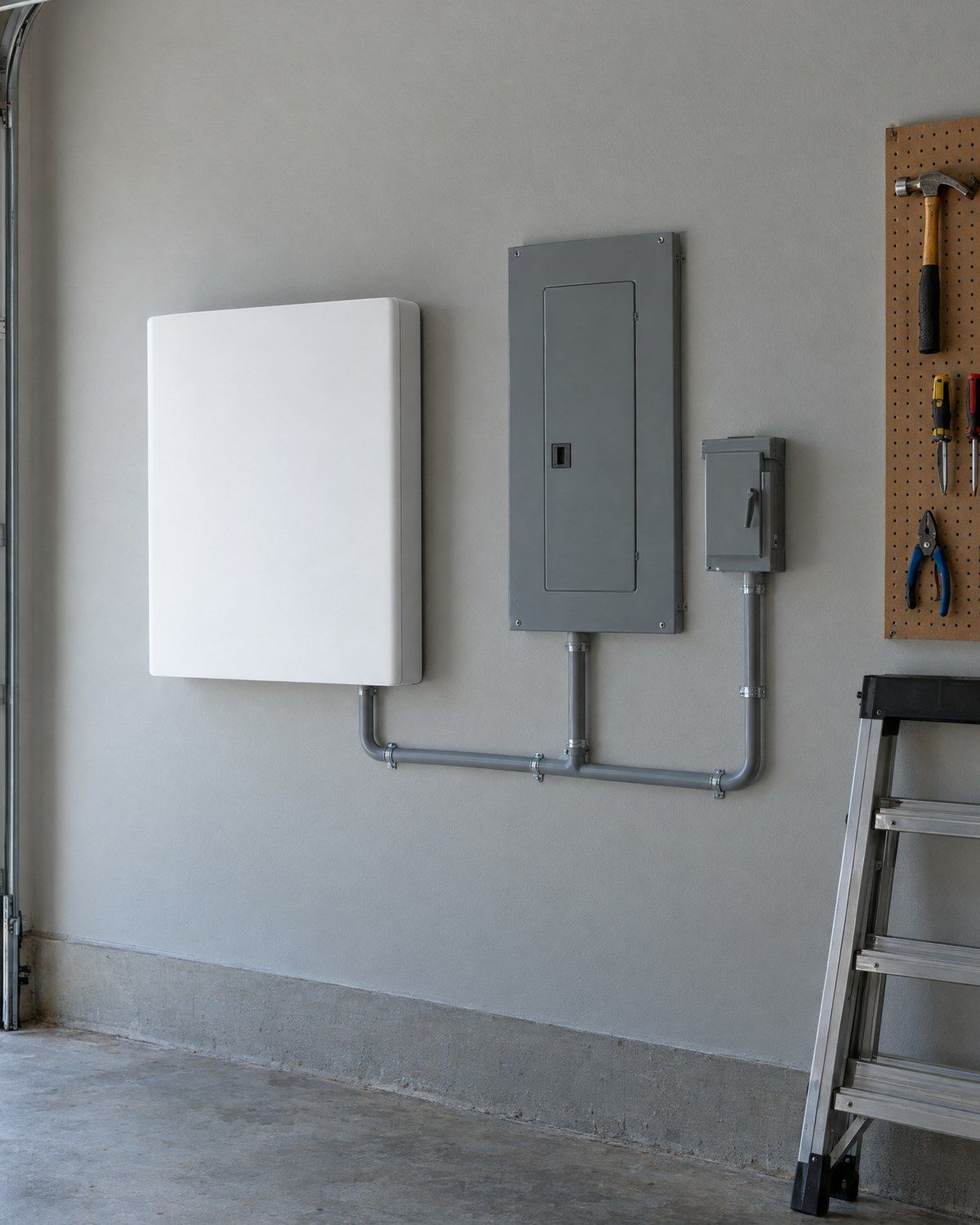
- Tesla Powerwall 3, 13.5 kWh, built-in inverter
- Tesla Gateway 3 keeps chosen circuits on in an outage
Backup for essentials: about 49 hours
Estimate Optimal for my homeWho covers what
- Manufacturer warranty
- Qcells: 25 / 25 years · Powerwall 3: 10 years, 70% capacity, with a constant internet connection
Our installation and roof warranty: 25 years, in writing — every package.
Prices are for the complete system, installed, before any state incentives. Your exact price depends on your home; we confirm it on the call. Your estimate shows the plan for all three packages. Manufacturer warranties apply under each maker’s terms. Some — Tesla, FranklinWH, REC ProTrust — require a certified installer and product registration; ask us about it before you sign, and check the final warranty documents.
Own crews
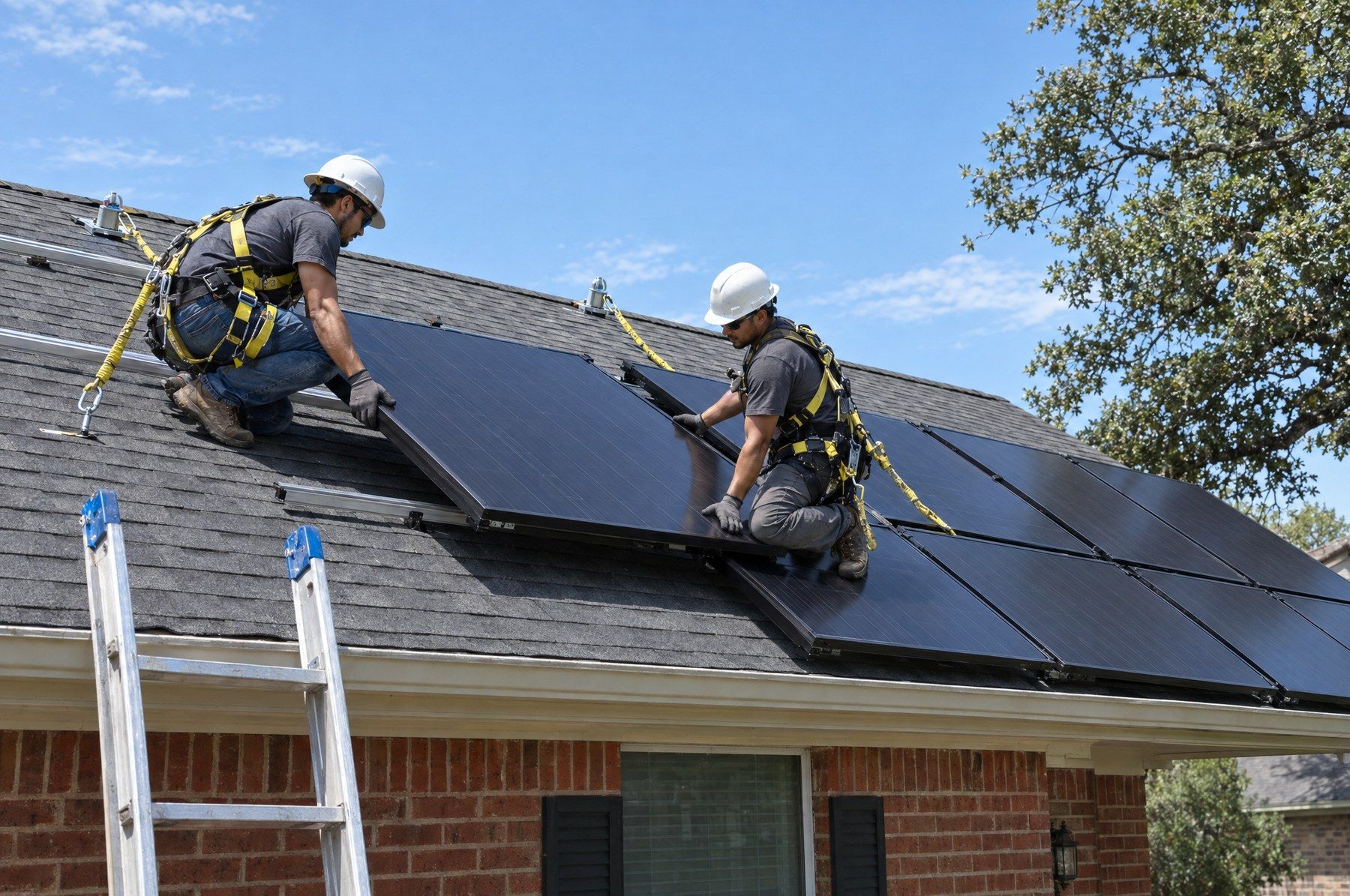
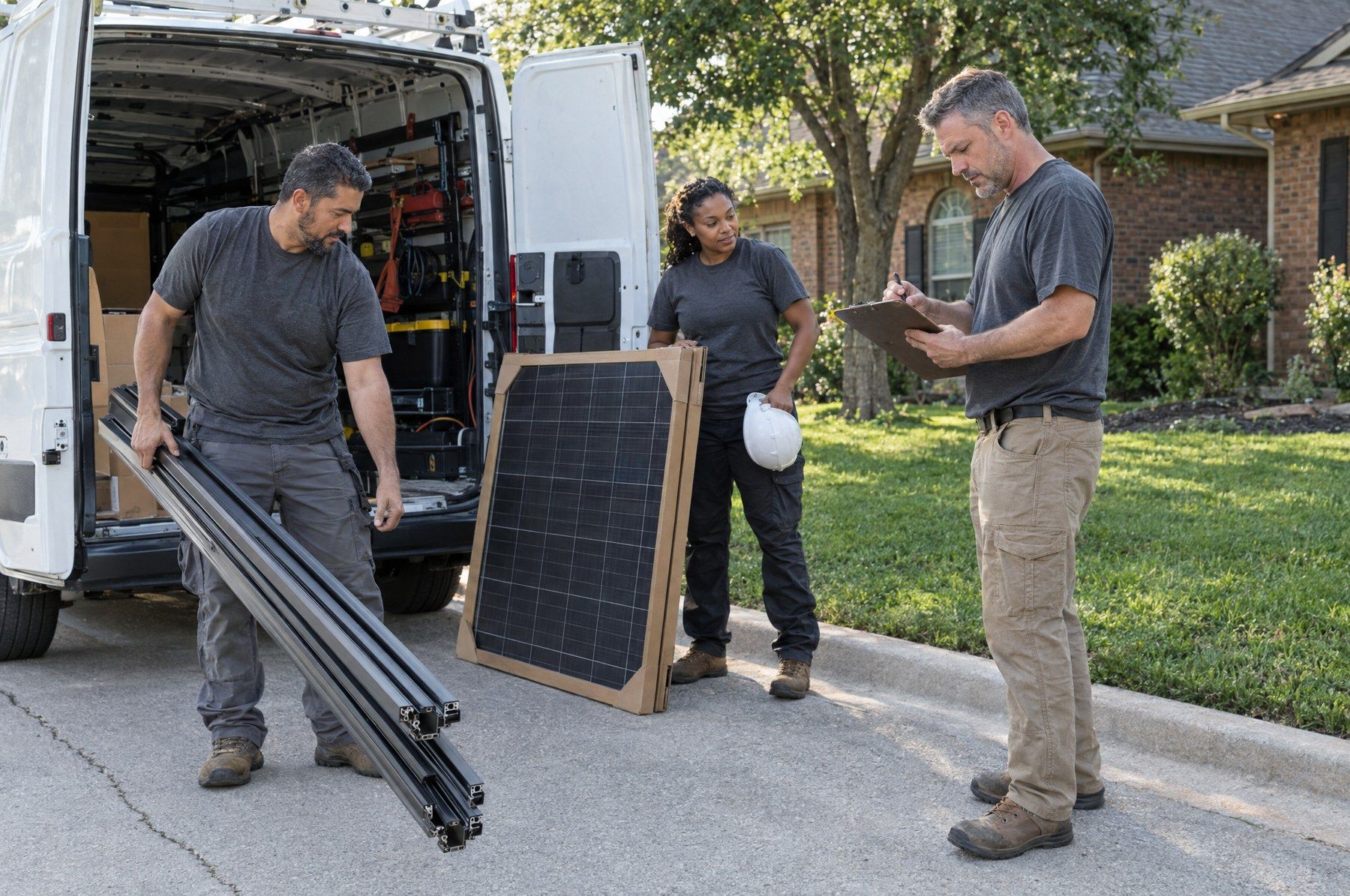
The people on your roof work for us.
Our own crews install every system, in all 19 states we serve.
How it works
From first call to power on.
Six steps, one company. From contract to switch-on: usually up to a month.
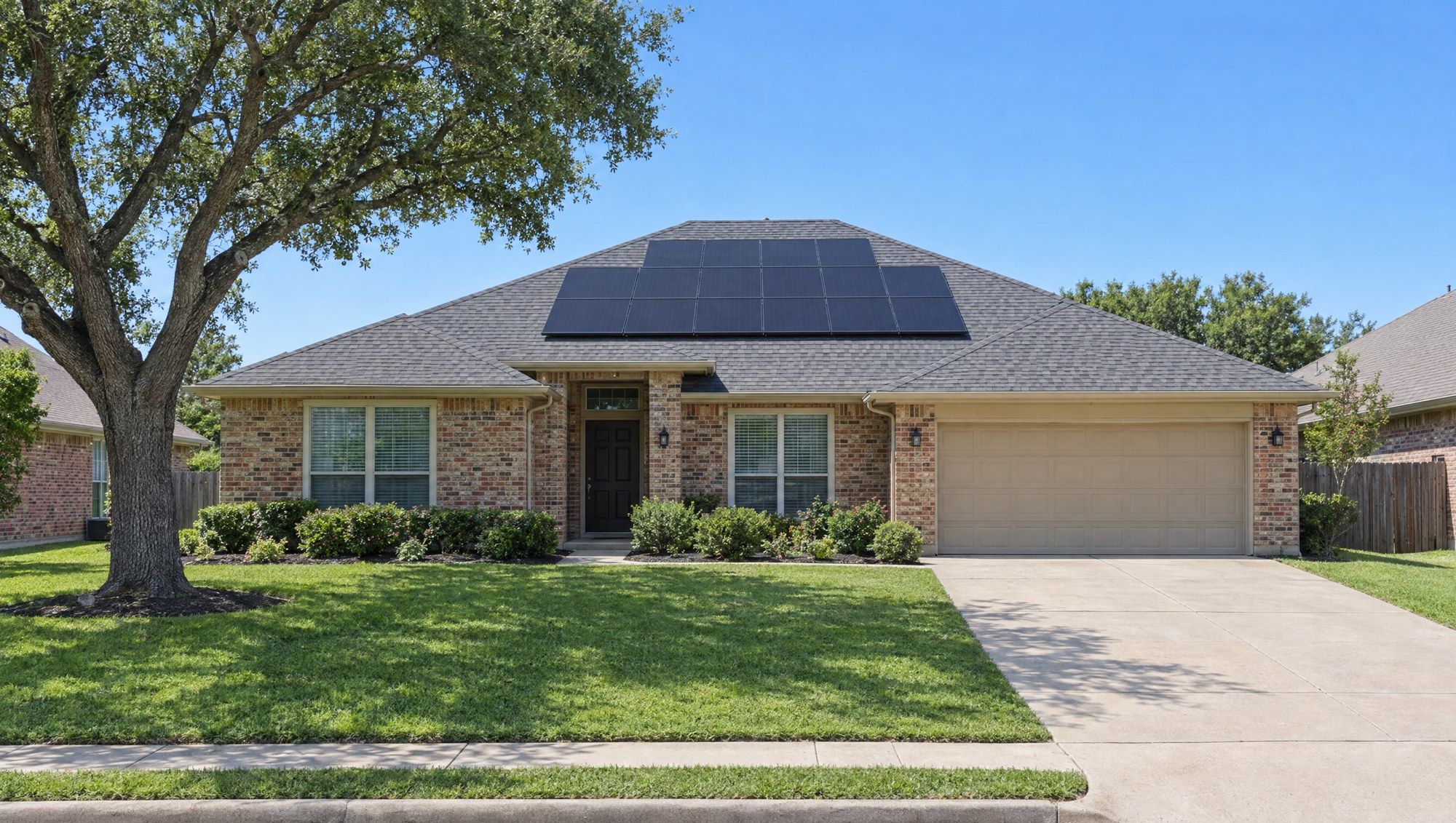
- A call from our teamWe call by hand, during your state’s calling hours, to go over your plan for all three packages. No texts, no autodialer.
- Your roof, measuredWe start with a snapshot of your roof and design where every panel goes — before anyone climbs a ladder.
- Your written proposalTake it home, no rush. You don’t have to sign anything today. If you sign at your home, the federal FTC Cooling-Off Rule gives you until midnight of the third business day after the sale to cancel, with no penalty. Some states give you more time.
- Permits and your utilityPermits and your utility’s approval set the exact date.
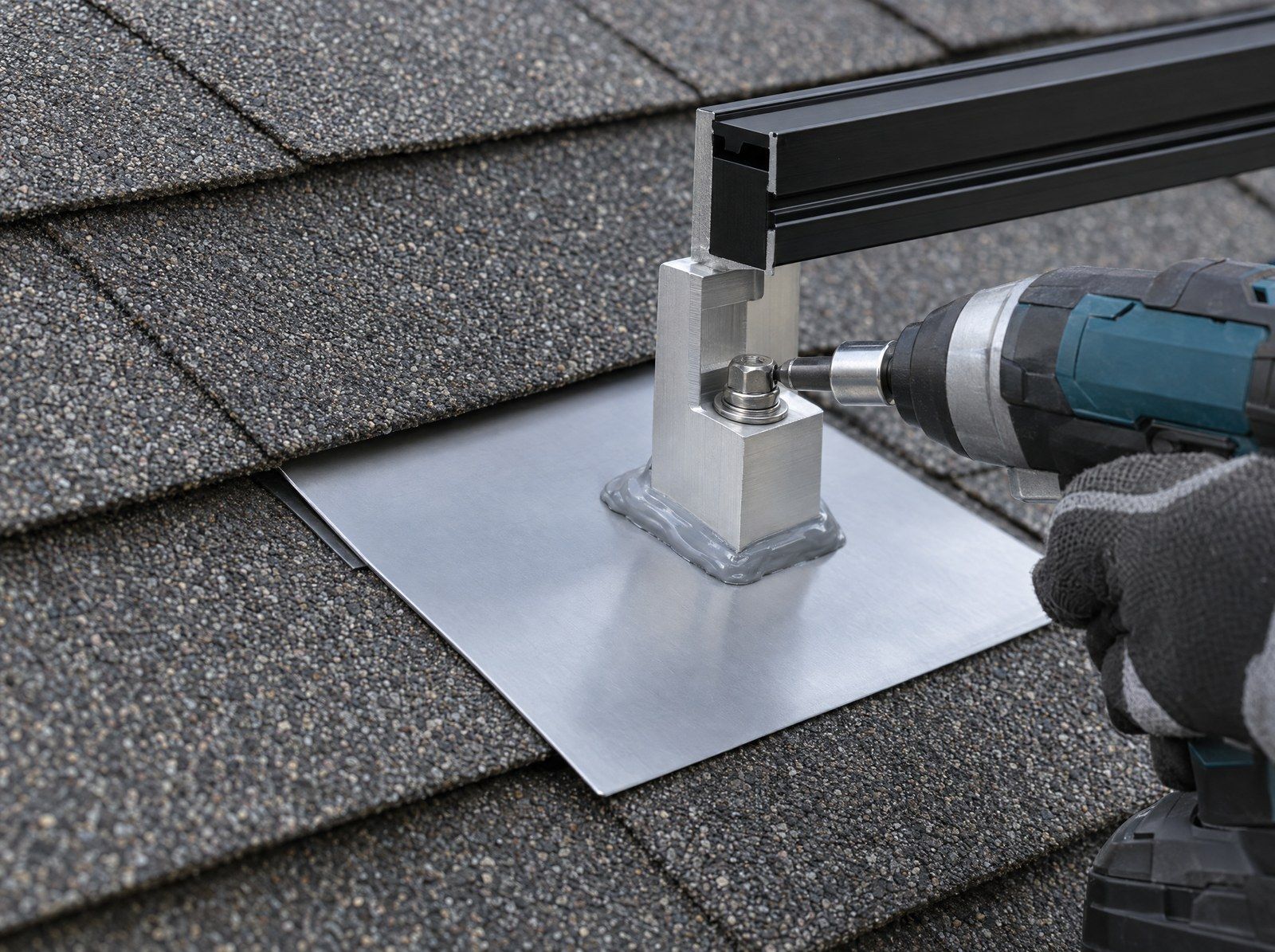
- InstallationOur own crew fastens the mounts and seals every roof penetration.
- Inspection, then switch-onThe city inspects the work. Your utility gives permission to operate. Then it’s yours.
States we serve
19 states. Own crews in every one.
Every state has its own rules for extra solar power, its own incentives and its own prices. Pick yours to see its numbers, with sources.
We install hereNot yet
Arizona: average home electricity price 15.38 cents per kilowatt-hour. Export credit.
Arizona
Export creditIn Arizona, store the daytime sun for the evening.
- Average home electricity price
- 15.38¢ per kWhEIA, July 2026 · up 0.3% from July 2025
- Solar output, Phoenix
- 1,755 kWh per kW a yearPVWatts, south-facing roof at 20°
- Extra power
- 5.554¢ · What APS pays for extra power on applications from September 1, 2026, locked for 10 years — plus an APS solar fee of $0.93 per kW a month. SRP and TEP have their own rates.APS Resource Comparison Proxy, Sep 2026
- Also in Arizona
- Arizona Residential Solar Energy Credit: 25% of the cost, up to $1,000. Arizona also exempts solar from property tax and from the 5.6% sales tax.Arizona Form 310
- Arizona15.4¢ · Export credit
- California33.6¢ · Export credit
- Colorado17.0¢ · 1:1 net metering
- Connecticut24.2¢ · Buy-All or netting
- Delaware18.5¢ · 1:1 net metering
- Florida15.0¢ · 1:1 net metering
- Illinois19.2¢ · Export credit
- Montana15.0¢ · 1:1 net metering
- Nevada12.8¢ · 75% export credit
- New Jersey25.2¢ · 1:1 net metering
- New Mexico16.1¢ · 1:1 net metering
- North Carolina15.2¢ · Monthly netting
- Ohio19.4¢ · Monthly netting
- Pennsylvania21.7¢ · 1:1 net metering
- South Carolina15.5¢ · Export credit
- Texas15.9¢ · Provider buyback
- Utah13.1¢ · Export credit
- Virginia17.6¢ · 1:1 net metering
- West Virginia15.8¢ · Export credit
Price: average home electricity price, EIA, July 2026.
Questions
Straight answers.
What people ask us most, with the rule or the number behind each answer.
What happened to the federal solar tax credit?
The federal 25D tax credit ended for systems installed after December 31, 2025. Our numbers don’t include it.
We don’t give tax advice — please talk to your tax professional.
Which states do you serve?
Arizona, California, Colorado, Connecticut, Delaware, Florida, Illinois, Montana, Nevada, New Jersey, New Mexico, North Carolina, Ohio, Pennsylvania, South Carolina, Texas, Utah, Virginia, West Virginia. Our base is in New York.
Each state page shows its own numbers and rules, with sources.
Are you a government program or my utility?
We're a private company from New York. We supply and install solar and battery systems, with our own crews in all 19 states we serve. Not a government program, not your utility.
We don’t offer free panels.
What does the battery do for me?
It depends on your state. Where extra solar power sells for much less than you pay, a battery lets you use more of your own. Where net metering is 1:1, a battery is for backup — it keeps essentials running when the grid goes down.
Every package includes a battery: Basic — an Enphase IQ Battery 5P (5 kWh), Optimal — one Tesla Powerwall 3 (13.5 kWh), Premium — two (27 kWh). One battery doesn’t back up the whole house; you choose what stays on.
Can I change my mind after I sign?
Take the proposal home. You don’t have to sign anything today.
If you sign at your home, the federal FTC Cooling-Off Rule gives you until midnight of the third business day after the sale to cancel, with no penalty. Some states give you more time.
Who covers the equipment?
Manufacturer warranties apply under each maker’s terms. Some — Tesla, FranklinWH, REC ProTrust — require a certified installer and product registration; ask us about it before you sign, and check the final warranty documents.
Our installation and roof warranty is ours — 25 years, in writing.
What if your company goes out of business?
Your panels, inverter and battery stay covered by their manufacturers’ warranties, under each maker’s terms (some require a certified installer and product registration). Our installation and roof warranty is ours — 25 years, in writing. Keep all your documents.
Will solar panels damage my roof?
Our own crews install every system. Every roof penetration is sealed and covered by our written roof warranty for 25 years. We check your roof’s age before we install.
Will I really pay $0 for electricity?
We design every system for $0 for electricity: your panels are sized to cover what you pay for electricity every year for 25 years, at today’s prices. Where your utility limits how big a system can be, your estimate shows what’s possible.
It’s a design goal, not a guarantee: your use, the weather and your utility’s rules can change. Fixed utility charges still apply.
Who will call me, and when?
Our own team, from (333) 555-4090, during calling hours in your state — 8 AM–9 PM local time in most states we serve. We call by hand and don’t text. Tell us any time to stop, and we stop.
How long until my system is on?
Usually up to a month from contract to switch-on. Permits and your utility’s approval set the exact date.
See what your home would save.
A few questions about your home and your bill. You don’t have to sign anything. Prefer to talk? Call (333) 555-4090.